A good Jewish wig, or sheitel, should look natural, feel comfortable, and meet religious standards. I believe a wig is more than hair—it’s about confidence and tradition.
A good Jewish wig uses 100% human hair, hand-tied construction, a discreet hairline, and a secure, breathable cap. The best ones blend seamlessly with your features and can be worn for hours without discomfort.
Picking the right sheitel changes your whole experience—comfort, ease of care, and confidence. I spend a lot of time helping clients choose wigs because the details matter. Let’s answer your other top questions about Jewish wigs and customs.


Do Jewish Wigs Cost Too Much?
Jewish wigs often seem expensive at first, and I’ve heard many women worry about the price.
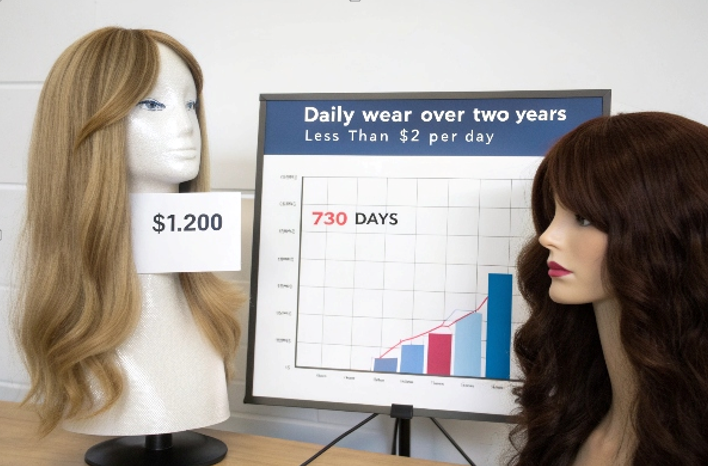
Jewish wigs cost more because they’re made with premium hair, hand-finished caps, and strict modesty standards. The investment covers materials, labor, and longevity. For daily wearers, the cost per use is low over many months or years.
If I wear a $1,200 wig every day for two years, that’s less than $2 per wear. If you care for it, the investment stretches much farther. Many of my clients see it as a long-term wardrobe piece.
Another saving secret is you can buy from jewish wigs factory directly,it will help you save too much. Tony zhang said, who is the found of FD Jewish wigs.which is a factory focus on high-end jewish wigs.
Are Jewish Wigs the Best Quality Products in the Market Now?
I often compare sheitels against luxury fashion and medical wigs in my work.
Jewish wigs are among the best on the market. Top-shelf sheitels use double-drawn, cuticle-aligned hair, and are constructed for regular, comfortable wear with natural movement and finish.
The best Jewish wigs balance appearance, comfort, and long-term durability. When everything is done correctly, wearers tell me it feels like their real hair—and often looks better.
Why Do Orthodox Jewish Women Wear Wigs?
This is probably the most frequent question I get from people new to sheitels.
Married Orthodox Jewish women wear wigs to fulfill modesty laws, which require covering their hair in public or in front of men outside the immediate family.
Hair covering is a central tradition in Orthodox Jewish life. Some communities prefer hats, scarves, or tichels, but many women pick wigs because they’re practical, easy to style, and fit many social or work settings.
Why Do Orthodox Jewish Women Wear Wigs That Look Just Like Their Natural Hair?
Clients often ask why natural-looking wigs are so important.
Natural-looking sheitels help women blend in and feel comfortable. When a wig matches a person’s former hair, it draws less attention—helping them meet modesty goals while feeling like themselves.
In my fittings, women want a wig that lets them move through daily life and events without feeling set apart. Thin hairlines, real scalp tops, and lifelike volume help a sheitel “disappear” so it never feels like a costume.
See also: Why Fashion Brands in Canada Should Embrace Managed IT Services
Do Jewish Orthodox Women Have to Shave Their Head and Wear a Wig?
This is a myth I try to correct often.
Jewish Orthodox women are not required to shave their heads. Most keep their natural hair and cover it with a wig, scarf, or hat, depending on family custom or community.
Some very specific Hasidic groups have unique traditions, but the overwhelming majority simply cover their hair. For comfort and fit, wearing a wig usually works best with natural hair braided or tied flat under a cap.
What Is Under the Orthodox Jewish Female’s Wig or Scarf?
Many women wonder about the layers beneath a sheitel or scarf.
Under a wig, women typically wear a soft cap, mesh band, or velvet grip to keep the wig in place and protect natural hair. Under a scarf, a cotton or satin undercap keeps hair smooth and prevents slips.
These underlayers matter a lot. They help the wig feel secure, reduce sweat, and maintain hair health. I choose different liners depending on scalp sensitivity, hair thickness, and season.
Conclusion:
The right Jewish wig—when chosen with care—supports tradition, personal style, and practicality. Quality, comfort, and a natural look are possible together with the right materials and a professional fit.
Tony zhang
Co-Founder of FD Jewish Wigs and expert in Jewish wig design and production, with 10 years of experience diving into Jewish wigs, market trends, and user needs.
Website:https://jewish-wigs.com
Ins:https://www.instagram.com/fdjewishwigs/
Youtube: https://www.youtube.com/@FDJewishWigs