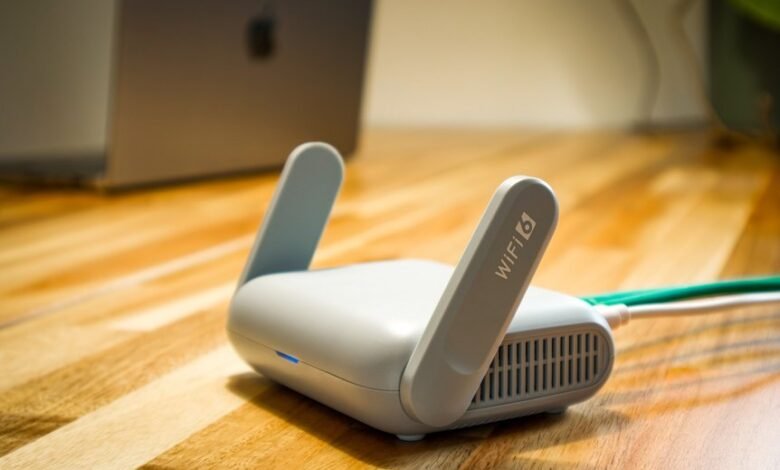
The 0.0.23 Router Setup Tutorial outlines a practical path for initial access, quick configuration, and ongoing maintenance. It emphasizes stable wireless and robust security through strong passwords and guest isolation. The guide covers firmware updates, channel selection, and meaningful SSIDs while recommending regular backups and diagnostic checks. Clear steps are provided for logging in, reviewing status, and applying changes with rollback plans. A focused discussion follows, inviting consideration of how these elements fit a resilient network strategy.
How to Access the 0.0.23 Router Admin Page
To access the 0.0.23 router admin page, connect a computer to the router via Ethernet or join the router’s Wi‑Fi network. Authentication prompts appear; enter the default IP address and credentials as documented. After login, review accessibility guidelines and firmware licensing notes, then navigate to status and configuration sections. Ensure settings align with freedom-focused goals and security practices.
Quick Setup: Wireless, Security, and Guest Access Essentials
Quick Setup: Wireless, Security, and Guest Access Essentials begins with enabling a stable wireless network, configuring fundamental security measures, and establishing guest access controls. The procedure outlines establishing a reliable connection, enabling WPA2 or WPA3, updating firmware, and enabling guest isolation. It presents two word discussion ideas, router security, to frame decisions and empower informed, freedom-minded management.

Fine-Tuning for Performance: Channels, SSID Names, and Password Best Practices
Fine-tuning for performance builds on the foundational setup by optimizing wireless channels, selecting meaningful SSID names, and enforcing robust password practices.
The procedure focuses on optimizing radios through channel selection and interference awareness, while preserving clear naming conventions.
It emphasizes password hygiene with unique, strong credentials and regular rotation.
Reported results reflect stable throughput, lower collision rates, and enhanced network autonomy.
Maintenance and Troubleshooting: Backups, Updates, and Common Fixes
Maintenance and troubleshooting are essential to sustain router reliability. Systematic backups are advised, employing documented backup strategies to preserve configurations and restore quickly. Regular firmware updates ensure security and performance, executed after confirming compatibility. When issues arise, isolate changes, follow step-by-step diagnostics, and apply fixes conservatively. Record results, implement verification, and maintain a rollback plan for uninterrupted network freedom. Continuous review is recommended.
Frequently Asked Questions
How Do I Reset the Router to Factory Settings?
The reset router is accomplished by holding the reset button for 10–15 seconds until lights flash. This restores factory settings; afterward, reconfigure as needed to return the device to default, unaltered operation from factory settings.
Can I Replace the Firmware With Custom Firmware?
Yes, custom firmware can be installed, but it risks bricking devices and voiding warranties; informed users pursue a cautious approach. The process involves verifying compatibility, unlocking bootloaders, and obtaining reputable sources for router hacking and security-focused custom firmware.
What’s the Default Admin Username and Password?
The default credentials vary by model; consult the device label or manual. For security audit purposes, reset to factory defaults if unknown, then document the recovered username and password. Maintain access control and update credentials promptly.
How Do I Monitor Data Usage per Device?
Monitoring bandwidth per device is available via device analytics; access the router’s UI, navigate to Traffic/Bandwidth, and inspect per-device consumption. Ensure firmware security; enable guest network restrictions to safeguard data while managing usage gracefully.
Is There a Mobile App for Management?
Yes, a mobile app exists for management. The solution supports Mobile Management features and Remote Diagnostics, enabling remote configuration, monitoring, and troubleshooting through a centralized interface, designed for users seeking freedom and streamlined control over network devices.
Conclusion
The router stands as a sentry at the doorway of your digital home, lights glinting like distant stars. With careful access, a tuned wireless beacon, and steadfast passwords, the network breathes secure, steady air. Backups and updates are the steady drumbeat, guiding every reboot and rollback. In this disciplined posture, issues drift away on a calm current, leaving you with reliable connectivity, confident control, and a resilient, freedom-minded foundation for all online rhythms.