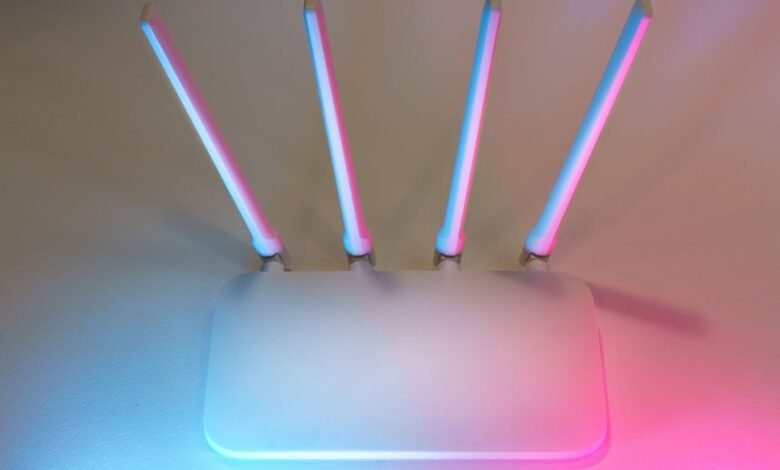
Access to a 168.42.1 router begins with identifying the device’s default gateway on the connected computer, then directing a browser to that IP. The user must supply the login credentials and confirm whether default options are in use. Critical steps follow: disable WPS, update firmware, and change the admin username; configure WPA3 with a strong passphrase, and segment networks while disabling UPnP, remote management, and DNS over HTTPS where applicable. If access is blocked, the path to resolution remains uncertain and warrants careful, methodical testing.
Locate the Router’s IP Address and Access Point
To locate the router’s IP address and access point, identify the device’s default gateway on the connected computer. The process reveals router defaults and maps network topology. Stepwise instructions confirm the gateway address, then verify via command or system settings. This precise method preserves freedom while ensuring accurate identification, enabling immediate configuration without excess actions or ambiguity.
Enter the Login Credentials and Identify Default Options
With the router’s IP address identified, the next step is to access the device via a web interface and provide the login credentials.

The user inputs default credentials or custom ones from documentation, then logs in.
Note the subtopic hints: Default credentials and IP discovery.
Identify any factory defaults and update them after authentication for security and freedom.
Secure Your Router and Configure Essential Settings
Thereafter, the router’s security posture should be established through immediate, precise configuration of essential settings. Access the admin panel, disable WPS, update firmware, and change the default admin username. Enable WPA3, set a strong passphrase, and segment networks. Disable UPnP, DNS over HTTPS, and remote management. unrelated topic, random thoughts must not interfere with policy; secure, deliberate actions only.
Troubleshoot Login Issues and What to Do if Credentials Changed
When login problems arise or credentials have changed, the procedure is to isolate the cause and restore access in a controlled, repeatable sequence. Identify whether access is blocked by network, device, or firmware state; revert to last known good credentials if possible. Address privacy concerns, verify firmware updates, reset credentials if required, and document each step for repeatability and security.
Frequently Asked Questions
Can I Access the Router From a Mobile Network or Only LAN?
Accessing is possible via both mobile network and LAN, depending on router settings. Accessibility options include remote management and VPN; mobile vs lan differences affect latency and security. Configure remote access, disable if undesired, and test connectivity for freedom.
What if the Default IP Address Changes After Firmware Update?
If the default IP changes after a firmwareupdate, the device’s default gatewaychanges must be reconfigured on clients; determine new address via router status, DHCP leases, or reset guidelines. Firmwareupdateimpact can reset to factory, requiring manual reentry.
How Can I Reset My Router Without Losing Config?
The user can reset without losing config by backing up configurations before any reset, then applying a controlled reset, and restoring the backup afterward; note firmware upgrade effects may alter settings, so verify integrity post-restoration.
Do I Need an Internet Connection to Log in Locally?
“Like a quiet fortress,” the answer unfolds: No internet is required for local login. Logging security relies on local router access credentials; an active network is unnecessary, but physical access and secure, updated firmware remain essential.
Can I Customize the Admin Username and Password After Setup?
Yes, a custom admin and password renewal are possible after setup. For security hardening, perform firmware notes review, change default credentials, rotate secrets periodically, and document changes; this preserves autonomy while maintaining robust access controls and transparency.
Conclusion
Conclusion: In locking down the 168.42.1 router, precise steps must be followed like a careful installation manual. Begin by identifying the gateway, then authenticate with the proper credentials, and promptly disable WPS, update firmware, and change the admin username. Implement WPA3 with a strong passphrase, segment networks, and disable UPnP, remote management, and DNS over HTTPS where appropriate. If access falters, retrace steps methodically, logs in hand, like a meticulous cartographer redrawing a familiar map.