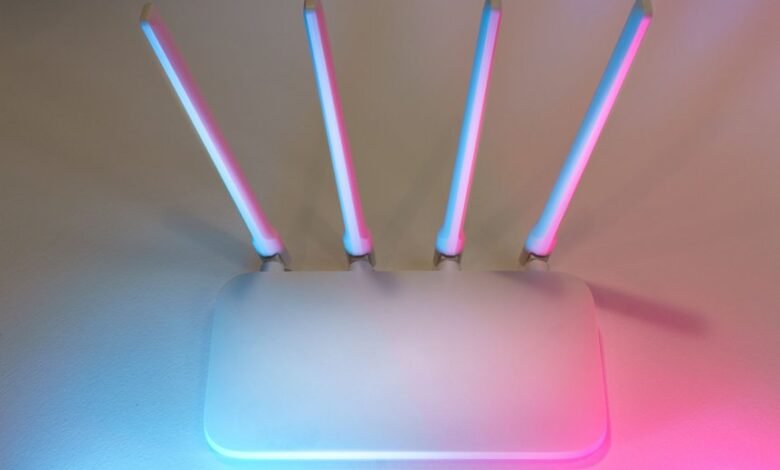
The 168.7 Router Login and Setup Guide provides a clear framework for accessing the router interface and making essential configurations. It outlines how to connect, what credentials to use, and where to find key menus. The guide covers quick setup for wireless, security, and guest access, followed by options for DHCP, IPs, and port forwarding. It also offers maintenance tips and troubleshooting steps, signaling that there is more to manage beyond initial setup and a reason to proceed.
How to Access the 168.7 Router Interface
To access the 168.7 router interface, connect a computer to the router via Ethernet or Wi‑Fi and open a web browser. The login screen appears, requesting credentials. Enter administrative details, then navigate menus with clear labels. Accessibility considerations guide interface choices, while firmware updates should be checked regularly to maintain security and performance for all users.
Quick Setup: Wireless, Security, and Guest Access
After establishing how to access the router interface, the next step covers Quick Setup: Wireless, Security, and Guest Access.


The guide outlines wireless naming, password strength, and guest network isolation, ensuring consistent policy across devices.
Security options include WPA3, disable WPS, and regular updates, while guest access is time-limited.
Avoid unrelated topic tangents and random pairing distractions for clean setup.
Fine-Tuning Networking: DHCP, IPs, and Port Forwarding
When configuring a router, precise control over DHCP settings, IP address allocation, and port forwarding ensures predictable network behavior and accessible services.
The guidance emphasizes deterministic scope, documented ranges, and reserved addresses.
Setup VPN integration is considered alongside IPv6 tuning, ensuring modern compatibility.
Settings should be audited, versioned, and aligned with security policies, enabling reliable remote access while preserving local control and freedom.
Maintenance and Troubleshooting: Common Issues and Tips
Common issues in router maintenance and troubleshooting typically arise from misconfigurations, firmware drift, or hardware limitations, and addressing them requires a structured approach: verify connectivity, confirm configuration integrity, and isolate faults with methodical testing.
The maintenance tips emphasize documented processes, consistent updates, and baseline measurements.
A thorough troubleshooting checklist guides providers to diagnose, document, and resolve issues efficiently, preserving performance and freedom.
Frequently Asked Questions
Can I Change the Router’s Default Login Username and Password?
Yes. The user can change the router’s default login credentials. To do so, change password in the admin panel, then update firmware if available to maintain security and feature improvements; recommended to keep settings separate and private.
How Do I Reset the 168.7 Router to Factory Settings?
The reset procedures require pressing the recessed reset button for ten seconds, restoring factory settings. Afterward, perform firmware updates to ensure security and performance; verify configuration changes through the admin interface while preserving user autonomy.
Are There Parental Control Options Beyond Basic Guest Access?
Like a key turning a lock, yes: there are parental controls beyond basic guest access. The router offers content filters, scheduling, and device-based rules, alongside a guest network, for nuanced, freedom-aware management and flexible protection.
How Can I Back up and Restore Router Configuration Files?
Backup methods and restore steps are straightforward; the user should export the configuration from the router’s admin interface, save it securely, and use the same interface to re-import when necessary, ensuring firmware compatibility and verified integrity.
Does the Router Support VPN Passthrough and Setup?
The router supports VPN passthrough and can be managed with firmware updates; parental controls, guest network settings, and firewall options offer granular control, while VPN passthrough remains compatible for typical VPN clients, though performance varies by device.
Conclusion
The guide closes with a subtle coincidence: reliable networks arrive when documented steps align with routine checks. When a user follows the labeled menus, applies firmware updates, and verifies connectivity, security settings mirror best practices across devices. The same discipline that secures a guest network also protects main access. In short, consistent configuration and regular maintenance converge to steady performance, reminding readers that orderly setup and ongoing care are the true prerequisites of dependable networking.