Knowing what 192.168.1.1 represents helps frame home network control. The guide outlines how to prepare a stable connection, verify credentials, and approach the login with a measured, procedural mindset. It explains step-by-step access, common errors, and practical fixes, plus safeguards for secure admin use. It ends with cautious reminders to document changes and weigh defaults carefully, leaving the reader with a clear reason to proceed further into the specifics.
What 192.168.1.1 Means for Your Home Network
The IP address 192.168.1.1 is a private gateway address commonly used to access home router settings. It delineates a local network boundary and informs device management choices.
Observers note privacy concerns and data exposure when devices connect. Regular firmware updates mitigate vulnerabilities, ensure compatibility, and preserve control, enabling informed decisions while maintaining network autonomy and resilience.


Prepare Your Connection and Credentials
To proceed from understanding 192.168.1.1 as a private gateway, users should verify their connection to the router and confirm access credentials before attempting configuration. The approach prioritizes network security and stability. Check physical links, ensure a secure wireless or wired path, and apply firmware updates promptly. Confirm credentials, avoid shared access, and document any changes for reliable future maintenance.
Step-by-Step Why and How to Log In
Step-by-step guidance on logging in begins by clarifying purpose and scope: accessing the router’s admin interface to view or change settings, verify user permissions, and apply any necessary updates.
The process emphasizes virtual networks, password hygiene, and disciplined credentials.
Ensure current router firmware, enable guest access when appropriate, and document configurations, avoiding unnecessary steps while preserving secure, freedom-minded administration.
Fix Common Login Errors and Lockdown Your Router
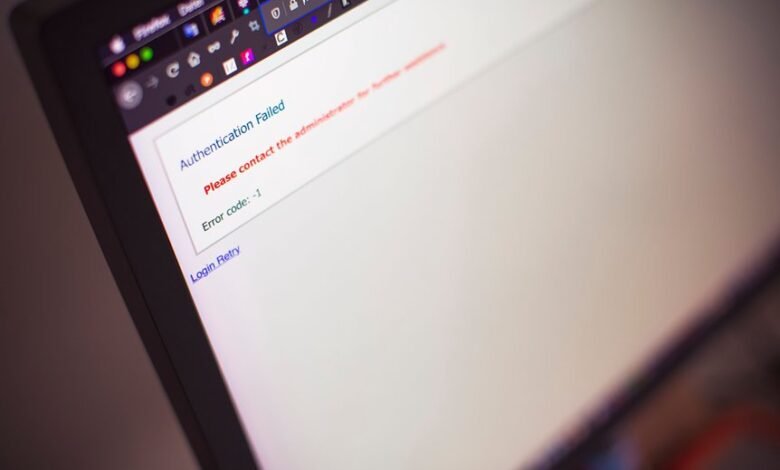
Fixing common login errors and enforcing a lockdown on the router follows from validating proper access practices and up-to-date firmware established earlier. The procedure emphasizes disciplined credential management, regular privacy practices, and cautious configuration changes. Verify device compatibility, apply firmware updates promptly, and enable secure admin access. Document changes, monitor login attempts, and maintain minimal exposure while preserving user autonomy and network resilience.
Frequently Asked Questions
How Do I Reset My Router to Factory Settings?
To reset the router to factory settings, locate the reset hole and hold the pin for 10–15 seconds; then log in, set a new reset password, perform a firmware update, and reconfigure security and Wi‑Fi settings.
Can I Log in Without Using a Password?
No, one cannot log in without authentication; login security and router authentication require credentials. The procedure ensures access only after valid verification, preventing unauthorized entry while preserving user freedom through proper, cautious security practices.
What if I Forgot My Router’s Username?
Forgot password triggers caution; the user should reset via router branding options or consult the manual. The detached observer notes recovery steps: access admin panel, use default credentials if allowed, or contact manufacturer for username recovery, avoiding unsafe shortcuts.
Is 192.168.1.1 Accessible on Cellular Data?
Yes, 192.168.1.1 is typically inaccessible over cellular data. The answer considers inconsistent access and cellular limitations, urging caution and procedural checks; it specifies that local router interfaces usually require a wired or Wi‑Fi connection for configuration.
How Do I Change the Default Wi-Fi Name (SSID)?
To change the default Wi-Fi name (SSID), access the router’s admin interface, navigate to Wireless settings, and modify the SSID field. Then save changes; recommendations include change default password and update firmware before reconnecting devices.
Conclusion
In the quiet corridor of tenure and routine, a router’s address quietly aligns with the user’s intent—coincidence guiding action. A blinking light mirrors a cautious heartbeat: verify connection, confirm credentials, and update firmware before change. The coincidence of a secure password and stable cables becomes the hinge of access. When errors arise, the clockwork steps—check permissions, inspect cables, reset only if necessary—reassure order. In this disciplined moment, resilience follows deliberate, repeatable practices.