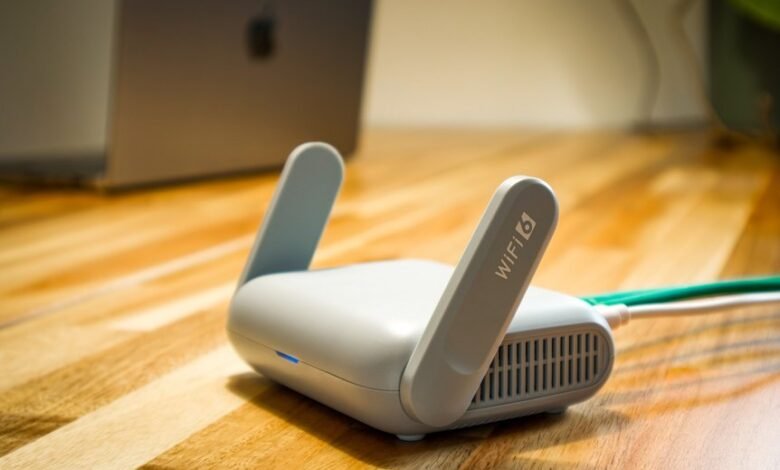
The 168.1.213 router login process centers on locating the device’s admin entry point and establishing secure access. Users determine the IP, reach the admin panel, and assess default settings, then tighten security with a strong password and proper Wi‑Fi configurations. Firmware updates, backups, and routine checks follow to sustain control and resilience. Questions remain about best practices for minimizing exposure and maintaining audit trails as network needs evolve.
What Is the 168.1.213 Router Login and Why It Matters
The 168.1.213 router login is the gateway to configuring a specific network device, enabling access to the device’s administrative interface. It encapsulates control over features, security, and performance.
Understanding its role clarifies network autonomy, device management, and policy application.


Disabling remote,guest network isolation is a capability that can affect interconnectivity, access rights, and threat surface, warranting deliberate consideration.
Find the Router’s IP Address and Reach the Admin Panel
To access the admin panel, the router’s IP address must be identified. The process centers on finding the default gateway via device settings, command prompts, or the router label. Once located, log in, navigate options for updating firmware, securing Wi‑Fi, and backing up configs.
Accessing admin panel enables efficient, autonomous network management and freedom.
Create a Strong Admin Password and Secure Wi‑Fi Settings
A strong admin password and robust Wi‑Fi settings are essential for protecting the router from unauthorized access.
The discussion focuses on password entropy, disabling default credentials, and configuring WPA3 with a strong passphrase.
Two word discussion ideas: independent thinking.
Unrelated topic: device placement considerations.
Implement unique admin names, enable auto‑lock, and periodically review access logs to sustain security posture without adding unnecessary complexity.
Update Firmware, Back Up Configs, and Troubleshoot Common Login Issues
Firmware should be updated to close security gaps and improve stability, while backups of configuration files ensure quick recovery after updates or failures.
The section outlines performing a security audit of the router, verifying hashing and integrity, and validating login resilience.
It details a systematic firmware backup process, preserves current settings, and provides troubleshooting steps for common login issues, ensuring recoverable configurations.
Frequently Asked Questions
Can I Reset the Router Without Losing Internet Access?
Yes, it is possible to reset a router without losing internet access by preserving WAN settings and reconnecting quickly. Two word discussion ideas, two word discussion ideas, such as “temporary disruption” and “non resetting.”
What to Do if I Forget the Admin Password?
Satire aside, the answer is: perform password recovery via the admin interface or initiate a factory reset if inaccessible. Note: a factory reset restores defaults, erasing custom settings; password recovery methods vary by model and may require physical access.
How Can I Change the Default Router Name (SSID)?
To change the default router name (SSID): access the admin interface, navigate to Wireless settings, and edit the SSID field; apply changes. Security note: change password, update firmware afterward, and verify connectivity across devices for uninterrupted access.
Is There a Way to Log in via Mobile Data?
A cautious caravan navigates by signals: no, login via mobile data is not typically possible; remote management security restricts it. Mobile data login is discouraged. The device should use secure local access or VPN for remote management.
Do I Need to Disable Remote Management for Security?
Yes, disabling remote management enhances security; it prevents external access while admin tasks are local. When changing wifi password, ensure remote management remains off and default credentials are updated, maintaining controlled, independent router administration for freedom from external interference.
Conclusion
In closing, carefulキャipping keeps networks secure and stable. The 168.1.213 router login process promotes precise protection: prudent password practices, persistent patching, and purposeful parameter tuning. Passwords, policies, and firmware forge a fortified front, while diligent data backups deter disruption. Regular reviews reveal risky routes and reinforce robust regimes. With well-wired warnings and wary vigilance, administrators maintain managed, measurable, and mighty network integrity, minimizing mishaps and maximizing mission-critical performance. Alliteration amplifies assurance: protected, prepared, and persistent protocols potentiate network protection.