The 168.2.1 Router Login Guide outlines how to locate the default IP, username, and password from the device label or manual. It then explains accessing the Admin Dashboard for centralized setup and real-time status monitoring. The guide emphasizes strong, unique credentials and secure backup practices. Troubleshooting covers credential verification and log review, plus steps to isolate devices and verify firmware. A disciplined approach is required to achieve rapid recovery and ongoing network security, leaving its practical implications for the next steps.
What Is the 168.2.1 Router and Its Default Login
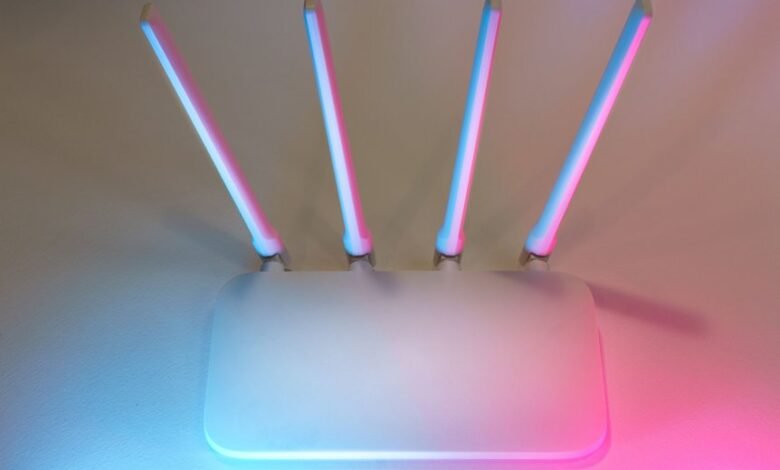
The 168.2.1 router is a consumer networking device designed to provide wireless and wired connectivity for local networks. It serves as a gateway for home and small office environments, enabling device interoperability and service access. Technical specifications define throughput, security protocols, and management interfaces. Designers emphasize reliability and user control, while acknowledging unrelated topics and off topic ideas may arise during configuration explorations.
Find the Default IP Address and Credentials Quickly
To quickly locate the default IP address and credentials for the 168.2.1 router, consult the device label or user manual to confirm the factory settings.


The procedure emphasizes networking basics and reinforces daily routines.
Record the IP, username, and password, then verify access with a test device.
Clarity, simplicity, and precision support autonomous, freedom-loving configurations.
Access the Admin Dashboard and Secure Your Network
Access to the Admin Dashboard is the gateway to configuring and monitoring the router. The interface provides centralized control for router setup, including real-time status, connected devices, and firmware checks. Emphasis on password security ensures access remains tight; enable strong, unique credentials, enable two-factor if available, and rotate periodically. Document changes and maintain secure backups for rapid recovery.
Troubleshooting Common Login Issues and Next Steps
After securing the admin interface, attention turns to diagnosing common login problems and outlining next steps.
The guide emphasizes direct actions: verify credentials, check session locks, and review access logs.
If issues persist, consider disabling guest wireless temporarily to isolate devices, then perform updating firmware to ensure authentication modules are current.
Document outcomes and rerun login tests for confirmation.
Frequently Asked Questions
Can I Change the Router’s Default Login After Setup?
Yes, it is possible to change the router’s default login after setup. The user should change password immediately and periodically verify firmware updates, ensuring strong credentials and current firmware for continued secure access and elevated system reliability.
How Many Devices Can Be Connected to the Network Simultaneously?
The number of devices that can connect simultaneously depends on the router’s hardware and bandwidth, but typically most consumer routers support 20–100+ concurrent clients. two word idea 1 two word idea 2, with scalable performance under balanced load.
What Should I Do if the Login Page Won’T Load?
The user should verify network connectivity and browser settings; if the login page won’t load, investigate login timeout and DNS resolution issues, clearing caches, Restarting router, and ensuring correct IP access to the device.
Is There a Mobile App for Managing the Router Settings?
A mobile app for router management exists on some models, enabling remote access. Availability varies by manufacturer; users should verify device compatibility. If supported, the app provides remote configuration, status monitoring, and secure login, enhancing convenient, empowered control.
How Do I Back up and Restore Router Configuration?
Backup configuration is created via the router’s administration page or backup command, then saved to a local file. Restore settings uses the same interface, selecting the backup file and applying it; verify post-restore integrity and connected devices.
Conclusion
The 168.2.1 router sits like a quiet command post, its IP glow pulsing with steady intent. Credentials anchor access, doors to a fortress of settings and real-time status. The Admin Dashboard hums, a precise instrument tuning security, backups, and firmware, while logs whisper about every attempt. When shadows of doubt creep in, routine checks and isolated devices restore clarity. With disciplined rotation and documented outcomes, network resilience remains—steady, secure, and ready for the next signal.