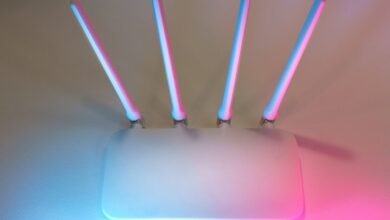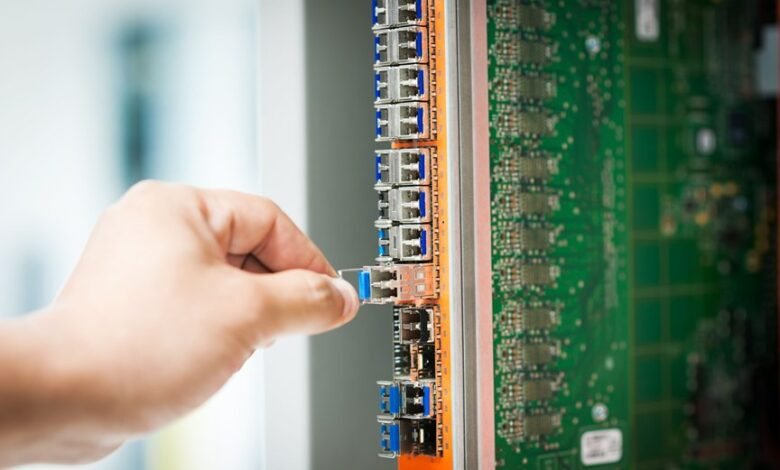
The guide covers logging into the 168.100 router and accessing the centralized admin panel. It outlines expected layouts, quick settings, and essential checks. Focus is on secure access, consistent backup, and firmware management. It emphasizes configuring WPA3/WPA2-Enterprise, unique SSIDs, guest isolation, and firewall rules, plus routine resets and quick actions for audit readiness. The objective is clear, but the next steps reveal how these elements are applied in real-world setups. The full sequence offers critical decisions for resilient network configuration.
How to Log In to the 168.100 Router
To log in to the 168.100 router, one should connect a device to the router’s network, open a web browser, and enter the router’s default IP address in the address bar.
The process remains independent of an unrelated concept, and an off topic discussion should be avoided.

Credentials are entered on the login page, granting access with appropriate security practices.
Accessing the Admin Panel and Quick Settings Overview
Access to the admin panel is accessed directly from the router’s web interface after authentication, providing a centralized view of device status and configuration options.
The overview emphasizes core controls, layout consistency, and quick adjustments.
Navigation remains minimal yet powerful, supporting two word idea one and two word idea two for efficient management, status checks, and rapid configuration auditing.
Freedom-oriented precision persists throughout.
Essential Wi-Fi and Security Configuration
The article now moves from general admin access to configuring wireless settings and protecting the network, focusing on Wi-Fi setup, security features, and best practices. Wireless security requires strong WPA3 or WPA2-Enterprise, unique SSIDs, and guest isolation.
Implement security best practices, enable firewall rules, and enforce network segmentation to limit lateral movement and enhance resilience against breaches.
Firmware Updates, Resetting, and Troubleshooting Tips
Firmware updates, resets, and troubleshooting procedures are essential for maintaining router stability and security. The section outlines updating firmware, performing a factory reset when necessary, and applying troubleshooting tips with minimal disruption. It emphasizes data backup before changes, securing router passwords, configuring guest networks, enabling parental controls, and ensuring mesh integration for seamless, freedom-focused network management.
Frequently Asked Questions
How Do I Change the Router’s Default Login Username?
To change the router’s default login username, access the admin interface, navigate to account or security settings, and modify the username; then save changes. Also perform change password and update firmware for reinforced access control and stability.
Can I Enable Guest Wi‑Fi Without Admin Access?
Yes, but without admin access, enabling a guest network is not possible on standard routers. The device requires proper permissions to modify network features, ensuring wifi privacy and governance; attempting bypass risks policy violations and running out of context.
Is There a Way to Schedule Automatic Reboots?
An automatic reboot is possible via a router’s scheduled maintenance feature. The device can perform a timed restart at a defined interval, supporting minimal downtime while preserving configuration. This enables autonomous maintenance without manual intervention, appealing to freedom-focused administrators.
How Do I View Connected Devices Without Admin Rights?
Viewing connected devices typically requires admin rights; without them, access is limited. However, one can monitor guest network security indicators on the router’s interface if available, while avoiding exposure of sensitive admin credentials and preserving network integrity.
What Parental Controls Are Available Beyond Basic Settings?
Parental controls beyond basics offer advanced router restrictions, shaping traffic, schedules, and content across devices. The system enforces granular policies, real-time monitoring, and beaconed alerts, delivering precise management while preserving user autonomy and freedom to customize constraints.
Conclusion
In the blink of a modem’s eye, the 168.100 router reveals its fortress-like Admin Panel, where a single login unlocks an entire digital command center. With WPA3 precision, unique SSIDs, and ironclad guest isolation, security is no longer a checkbox but a shield. Firmware updates glide in like quiet rain, resets reset the clock, and backups form an eternal archive. Configurations snap into place, and resilience becomes the new normal, a turbocharged backbone for any network.