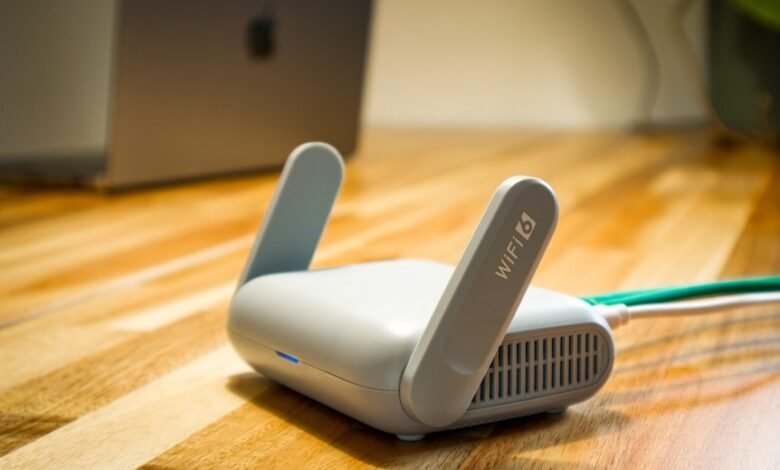
The guide on 168.1.27 router login provides a concise, technical path to locate the LAN IP and access the admin panel securely. It emphasizes safe practices, including HTTPS access, strong unique passwords, and disabling exposed services. Practical steps cover enabling WPA3 and turning off WPS, with ongoing monitoring of connected devices and logs. Firmware updates are framed as essential, with backups and rollback options. A controlled, staged deployment approach keeps disruption minimal, yet questions remain about real-world applicability.
How to Find the 168.1.27 Router IP
To locate the 168.1.27 router IP, users should check common defaults and network settings on their device. The procedure is concise and precise, guiding discovery through device dashboards and command prompts. Typical results include a private gateway value and labeled LAN IP. two word discussion idea1, two word discussion idea2, ensures quick identification, enabling confident, independent network control.
Accessing the Admin Panel Safely
Accessing the Admin Panel Safely requires strict authentication and secure access practices. The procedure emphasizes using a trusted device, updated firmware, and a unique, strong password. Navigate to the login page via HTTPS, verify the 404 error page behavior for invalid paths, and avoid exposed services. Limit sessions, log attempts, and disconnect after operations to maintain freedom and security.


Essential Security Tweaks for Your Router
Are basic safeguards sufficient for today’s routers, or must users implement layered protections? Essential Security Tweaks for Your Router emphasizes robust configuration over defaults. Disable WPS, enable WPA3, and craft unique admin credentials. Implement network segmentation, monitor device access, and regularly review connected hosts. Two word discussion ideas: router security. This concise approach balances freedom with measured control, minimizing exposure while preserving usability.
Firmware Updates and Troubleshooting Common Issues
Firmware updates and troubleshooting form the core of router reliability, outlining when and how to apply firmware upgrades and how to diagnose common issues that arise post-update.
The guidance emphasizes security auditing during upgrades and the option of a firmware rollback if instability is detected.
Procedures cover backup, staged deployment, log review, and rapid recovery to ensure system resilience.
Frequently Asked Questions
Can I Change the Router’s Default DNS Settings?
Yes, it is possible to change the router’s default DNS settings, though it should be done cautiously to preserve network security and ensure proper firmware updates. The change involves accessing the router’s admin interface and updating DNS server addresses.
How Do I Back up Router Configuration Files?
Approximately 70% of small networks fail to restore configurations after a crash; back up router configuration files regularly. The procedure: export backup firmware, save to secure storage, and verify integrity, especially when configuring a wireless bridge.
Are There Parental Controls Available on This Model?
Yes, the model supports parental controls and DNS management. It enables content filtering, time schedules, and device-based rules, while DNS settings allow custom filtering and hostname resolution. Users are advised to configure profiles, apply changes, and test connections.
How to Set up Guest Network Isolation?
To set up guest network isolation, one enables a separate guest network and enables client isolation on the router. This improves router security by preventing guests from accessing the main LAN and devices.
What Is the Default Login Page Port?
The default login port is commonly 80 or 443 for HTTP/HTTPS, but many routers use 8080 or 8000; verify via admin UI. This juxtaposes accessibility with router security, highlighting default login exposure and the need for secure access.
Conclusion
To close, the process remains straightforward and prudent. If the gateway appears, proceed with care and verify a secure connection. Log in over HTTPS on a trusted device, and replace weak credentials with a unique, strong password. Disable exposed services, enable modern wireless security, and disable WPS. Maintain daily checks on connected devices and review logs. When updates arise, back up configurations first and apply staged firmware upgrades to minimize disruption and preserve network integrity.