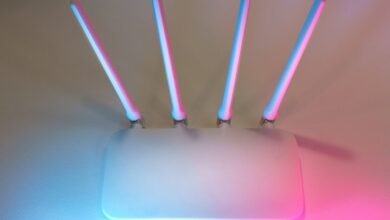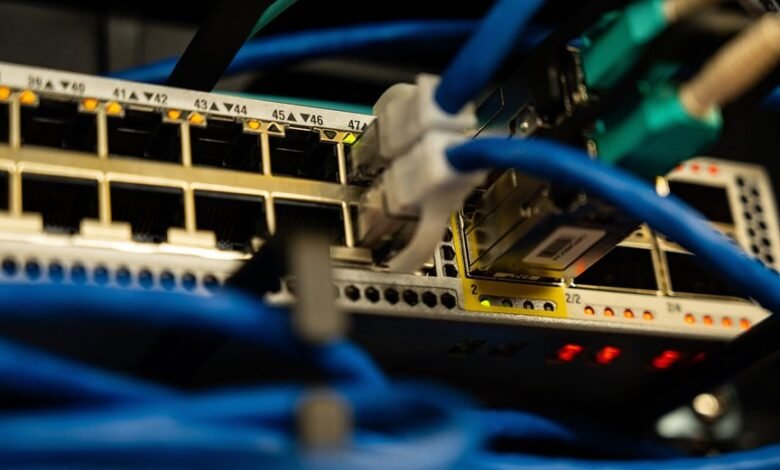
Identifying a 168.1.210 router and accessing its admin panel requires careful verification of device identity and a trusted network connection. The process hinges on confirming the correct IP, using authorized credentials, and ensuring firmware is current. If login fails, examine logs, IP conflicts, and DHCP leases, then apply controlled resets and security hardening. Stability hinges on least-privilege access and centralized monitoring, but potential bottlenecks and misconfigurations warrant closer inspection. Further steps await careful consideration.
How to Identify Your 168.1.210 Router’s Default Access
To identify a 168.1.210 router’s default access, one should consult the device’s documentation or the label on the unit, which typically lists the default IP address, username, and password.
The subtle relationship between default credentials and firmware layout guides initial setup, ensuring secure access while preserving freedom.

Accurate references minimize risk and facilitate disciplined configuration.
Quick Login: Steps to Access the Admin Panel Safely
Accessing the admin panel should follow a disciplined sequence: confirm the device identity, connect to a trusted network, and use the correct, documented IP address or hostname. Quick login procedures prioritize safe access, minimizing device conflicts and resolving connectivity issues. The process remains concise and technical, ensuring freedom to manage settings without exposure, while maintaining disciplined authentication and direct access paths.
Essential Security Tweaks for 168.1.210 Routers
Essential security measures for 168.1.210 routers focus on baseline hardening and ongoing protection, including strong authentication, updated firmware, and network segmentation.
The security posture hinges on regular firmware updates, timely patch application, and automated alerts. Maintain visibility through centralized logs and anomaly detection; enforce least privilege, monitor device certificates, and verify configuration integrity to sustain resilient, freedom-friendly network operations.
Troubleshooting Common Connectivity Issues and Device Conflicts
Connectivity issues and device conflicts commonly surface after recent configuration changes or firmware updates on 168.1.210 routers.
The approach emphasizes reproducible diagnostics, controlled resets, and log analysis to isolate IP conflicts, DHCP lease issues, and VLAN misconfigurations.
Key steps include reviewing detailed firmware updates impact, verifying wireless channel allocation, and ensuring parental controls configuration does not block essential traffic or devices.
Frequently Asked Questions
Can I Change the Router’s Default IP Address Safely?
Changing the router’s default IP address can be done safely if documented; ensure a stable, unique address, update DHCP scope, back up configuration, and note the new settings. Include change password and sample configuration for recovery.
What Should I Do if I Forget the Admin Password?
If the admin password is forgotten, perform the reset procedure to regain admin access; follow recovery steps outlined by the device, then reconfigure settings. This preserves control while clarifying security implications and restoring management capabilities.
How Often Should I Update Firmware on 168.1.210?
Update firmware whenever official releases address security fixes or stability improvements; schedule semiannual checks as a baseline. Adhere to security best practices: verify authenticity, back up configurations, and minimize exposure during updates. Regular maintenance embodies prudent, freedom-respecting administration.
Is There a Guest Network Setup for Visitors?
A guest network is supported, enabling isolated visitor access. Approximately 70% of small networks deploy guest networks to segment devices, enhancing security. The device offers configurable guest network options and access controls for visitor access, bandwidth limits, and duration.
How Can I Back up and Restore Router Settings?
To back up settings, access the router’s administration interface and initiate a “backup settings” export to a file. To restore settings, select “restore settings” and upload the saved file, ensuring matching firmware and configuration compatibility for reliability.
Conclusion
Conclusion (75 words):
Investigations into the 168.1.210 theory suggest the admin interface’s stability hinges on disciplined access control and up-to-date firmware. When login fails, suspected causes include IP conflicts, outdated firmware, or misconfigured DHCP/VLANs. The evidence supports rigorous checks: verify device identity, confirm network isolation, and review logs for anomalies. Controlled resets and least-privilege access reduce recurrence. While not definitive, these steps align with demonstrated best practices for sustaining secure, reliable router performance.