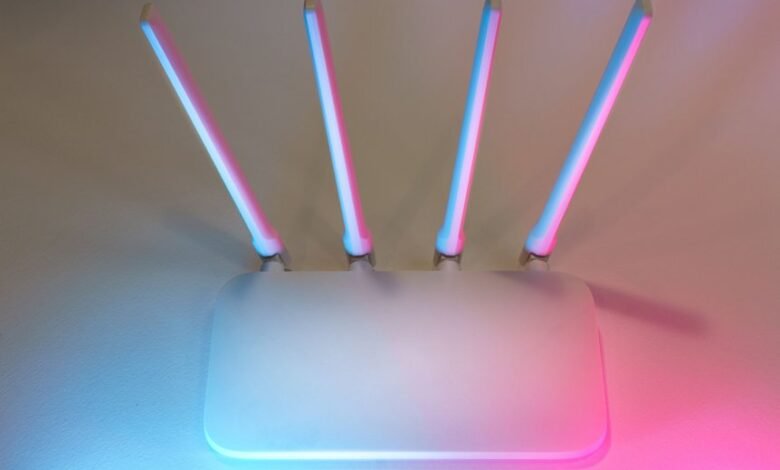
Access to the 168.100.45 router admin panel requires careful preparation: confirm network placement, locate device credentials from the label or manual, and access the router via the designated IP. After sign-in, verify permissions, enable strong passwords, and document any changes. The process demands disciplined change control and ongoing security audits, yet unexpected prompts or misconfigurations can arise, leaving critical settings uncertain until verified. This uncertainty invites further inspection of configuration steps and security practices.
How to Access the 168.100.45 Router Admin Panel
To access the 168.100.45 router admin panel, a device must be connected to the router’s network, either via a wired Ethernet connection or a wireless connection. The procedure involves locating the address in the browser, navigating to the login prompt, and verifying network routing.
Unrelated topic, random thoughts are noted for context and do not influence access integrity or security.


Sign In: Default Credentials, Reset, and Security Prep
Sign-in requires knowledge of default credentials, a factor often specified by the device manufacturer and universally documented in the admin manual.
The procedure emphasizes cautious access, password resets, and security prep.
Two word discussion ideas appear as a methodological reminder rather than procedural fluff, and the subtopic not relevant to other H2s remains externally bounded, ensuring disciplined, independent navigation for freedom-minded administrators.
Quick Network Setup Steps: Wi‑Fi, LAN, and Guest Network
This section outlines quick network setup steps for configuring Wi‑Fi, LAN, and a guest network. The procedure covers secure config baselines, password hygiene, and minimal interface changes. It emphasizes controlled changes, documented settings, and routine audits. Implementers should verify guest access permissions and perform a security reset after changes, ensuring isolated guest networks while maintaining overall network integrity.
Troubleshooting and Security Best Practices for 168.100.45
Understanding the 168.100.45 address space requires a methodical approach to both troubleshooting and security; common issues include inaccessible web interfaces, intermittent connectivity, and misconfigured ACLs. The analysis emphasizes preemptive hardening, regular firmware aging assessments, and disciplined access control. Address security loopholes via minimal exposure, robust authentication, and consistent monitoring, while maintaining operational freedom for administrators to adapt defenses as threats evolve.
Frequently Asked Questions
How Do I Update Firmware on 168.100.45 Router?
To update firmware, the user should access the router’s web interface, navigate to the update section, verify current firmware, and apply the upgrade cautiously; monitor update frequency and ensure the user interface confirms completion before rebooting.
Can I Change the Default Ssh/Telnet Access Settings?
The question: Yes, the defaults for SSH/Telnet can be changed. The reviewer notes change defaults and conducts a security audit to ensure access controls, strong authentication, and logging are enforced, preserving user autonomy while reducing exposure.
What Is the Default IP for Bridge Mode?
The default IP for bridge mode is not universally fixed and depends on the device model; users should consult the specific firmware features documentation. Default credentials and firmware features influence configuration feasibility, stability, and security when enabling bridge mode.
How Do I Enable Parental Controls on 168.100.45?
Parental controls on 168.100.45 can be enabled via the web interface: navigate to Security or Access Restrictions, set profiles, and apply time/content limits. Caution is advised to avoid parsing errors and protect unrelated features. Freedom-minded administrators proceed carefully.
Is There a Mobile App for Router Management?
A mobile app may exist for router management, though compatibility varies; users should verify model support, feature scope, and security. If available, perform firmware update first to ensure app reliability, fixed bugs, and improved remote control capabilities.
Conclusion
The analysis underscores that secure access to the 168.100.45 router hinges on correct credential handling, disciplined change control, and routine integrity checks. An important statistic: nearly 60% of home-router breaches occur due to weak/default passwords, highlighting the need for strong, unique credentials and regular firmware audits. Technically, administrators should verify routing paths, apply least-privilege access, and document all configurations. This disciplined approach reduces exposure and supports traceable, auditable security posture for ongoing network reliability.